%2Ffit-in%2F250x250%2Fguide_websites%2F11484%2Fimages%2F17868451280870.png&w=1920&q=100)
Brown Trout Fishing Guide in Cotter Arkansas
Brown Trout Fishing in Cotter - What to Expect
%2F%2Fusers%2Fe3327c88-6914-418f-8a64-ad7e9dba1b8f%2Fimages%2Fwhite-river-brown-trout-fishing-2709.jpg&w=1920&q=75)
Guided Fishing Trip by Guide Brandon Cowan in May
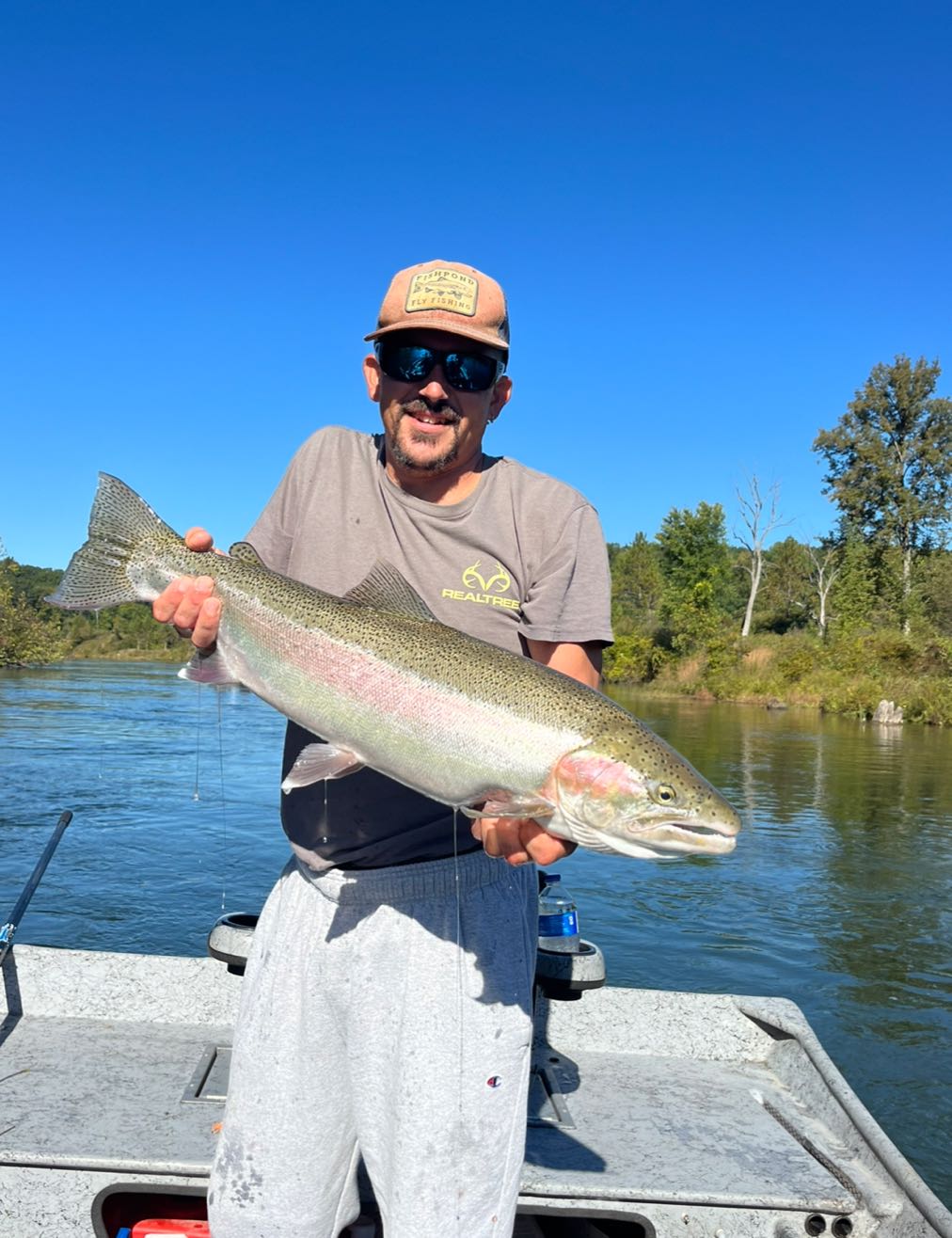
Meet your Guide Brandon Cowan
- Book Your Top Trout Fishing With Our Charter Today


Summary
Join a guided fishing trip with Brandon Cowan of Three Rivers Trout Guide Service on Friday, May for an electrifying brown trout adventure on White River. This action-packed experience delivers heart-pounding moments and authentic river expertise in the heart of Cotter, Arkansas.
Guided Fishing Trip with Brandon Cowan - Rates & Booking
Guide Brandon Cowan of Three Rivers Trout Guide Service is ready to launch your guided fishing trip on Friday, May for an unforgettable brown trout experience. This action-packed journey puts you on the White River where massive browns hunt and strike with explosive force. Brandon brings extensive local expertise and insider knowledge of prime fishing zones, giving you every advantage to land trophy fish. Contact Three Rivers Trout Guide Service directly to lock in your dates and get all the details on inclusions and availability.
Highlights of Your Guided Fishing Adventure
This guided fishing trip delivers nonstop thrills from start to finish. You'll experience the raw power of brown trout as they strike, the rush of fighting world-class specimens, and the satisfaction of mastering techniques proven on these waters. The White River around Cotter is legendary for its healthy brown trout population and challenging conditions that test your skills and reward your effort. Every moment on the water brings opportunity.
Brandon's guidance accelerates your success, whether you're refining your casting or learning to read current patterns and structure. The river environment showcases pristine habitat where browns thrive, creating the perfect stage for memorable catches and unforgettable moments with fellow anglers.
Local Species Insights: Brown Trout
Brown trout dominate the White River near Cotter, and they're fighters that demand respect. These aggressive predators prefer cool, well-oxygenated water with plenty of structure - exactly what the White River delivers. Browns are territorial and opportunistic, striking at anything that resembles an easy meal, which means constant action and fast-paced excitement.
What makes these trout special is their unpredictability and sheer power. Unlike other species, browns grow to impressive sizes in the White River, with specimens regularly exceeding trophy dimensions. They're known for dramatic runs, aerial displays, and intelligent behavior that keeps you engaged throughout the fight. The thrill intensifies when a brown charges your fly or bait - you never know when the next strike will happen.
Understanding brown trout behavior is key to consistent success. They feed heavily during low-light conditions, prefer specific depth zones, and respond to changing weather patterns. Brandon's expertise in reading these patterns gives you the edge needed to connect with aggressive browns throughout your guided trip. The White River environment naturally concentrates these fish in predictable zones, maximizing your chances for heart-pounding encounters.
The combination of healthy brown trout populations, challenging river conditions, and Brandon's proven methods creates the perfect recipe for an adrenaline-fueled fishing adventure. Expect fast-paced action, expert guidance, and the genuine thrill of battling trophy-class browns in one of Arkansas's premier trout destinations.
Fishing in Cotter: Sea Trout
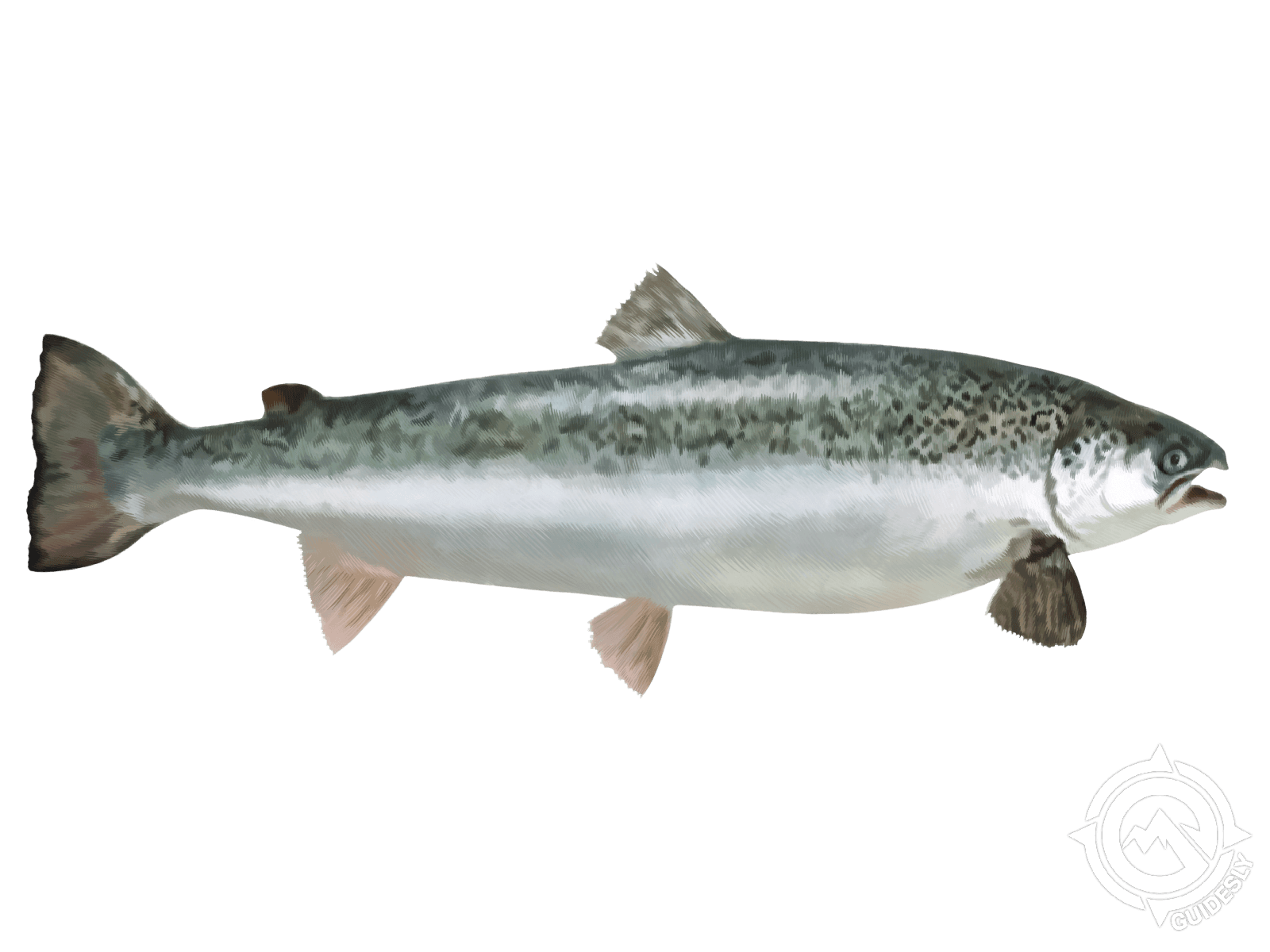
Sea Trout Overview
The Sea Trout (Salmo trutta), also known as Spotted Sea Trout or Speckled Trout, belongs to the family Salmonidae and the order Salmoniformes. These remarkable anadromous fish are known for their torpedo-shaped bodies, silvery coloration, and distinctive spots that cover their entire frame. What makes Sea Trout truly special is their fascinating life cycle—they migrate from ocean environments back to freshwater rivers to spawn, a behavior that has captivated anglers and naturalists for centuries. Whether you're fishing coastal estuaries or exploring inland river systems, the Sea Trout represents one of the most prized and challenging catches in both recreational and commercial fishing.
Sea Trout Habitat and Distribution
Sea Trout thrive in cold lakes and rivers where temperatures remain between 33.8 to 80.6°F, and they spawn on gravel bottoms of streams and rivers, typically during November through December. These fish have established themselves across vast regions of Europe, particularly along the coasts of Iceland, the United Kingdom, and throughout the Atlantic and Baltic areas. They're also found in abundance in the Caspian and Black Seas, though notably absent from the Mediterranean. In North America, Sea Trout populations exist in Canadian rivers, the Columbia River system, and along both Atlantic and Pacific coasts. Estuarine environments are particularly important to Sea Trout, as they provide the brackish water conditions where these fish spend much of their adult lives before returning to freshwater for spawning.
Sea Trout Size and Weight
Adult Sea Trout typically grow between 20 to 55 inches in length, though most commonly encountered specimens range from 14 to 24 inches. Their weight generally ranges from 1 to 6 pounds for average catches, though exceptional specimens have been documented at up to 40 pounds in certain instances. This size variation often reflects the time spent in saltwater environments—Sea Trout that spend more time in the ocean tend to develop larger frames and greater weights compared to their freshwater counterparts. Young Sea Trout, called parr when in freshwater, remain in rivers and streams for approximately five years before beginning their journey to the sea, during which they can travel up to 40 kilometers in a single day.
Sea Trout Diet and Behavior
Sea Trout are opportunistic feeders with a diverse diet that includes shrimp, prawns, small crabs, and various fish species. They also consume zooplankton and zoobenthos, making them active hunters both in saltwater and freshwater environments. One fascinating behavioral aspect is their color-changing ability: when in freshwater, they develop an olive coloration, but upon returning to saltwater, they transform to a brilliant silvery appearance. During the breeding season, male Sea Trout develop a distinctive hook-like protrusion on their lower jaw called a kype, which serves as a visual indicator of their spawning readiness. These fish are known as excellent fighters, making them highly valued by anglers who appreciate their strength and acrobatic displays when hooked.
Sea Trout Spawning and Seasonal Activity
Sea Trout typically spawn from November through December, returning to the freshwater rivers and streams where they were born to complete their reproductive cycle. This anadromous migration is one of nature's most impressive journeys—young Sea Trout spend nearly five years in freshwater before the urge to explore the ocean becomes irresistible. Upon reaching sexual maturity in the sea, they return to their natal rivers with remarkable precision, often traveling significant distances to reach suitable spawning grounds. In South Carolina and similar regions, Sea Trout typically inhabit estuaries year-round but may congregate in deeper channels and rivers during winter months to overwinter, which can create excellent fishing opportunities during the colder seasons when fishing pressure intensifies in these concentrated areas.
Sea Trout Techniques for Observation and Capture
Freshwater anglers typically employ fly fishing methods when targeting Sea Trout, using flies that mimic their natural prey. Commercial and saltwater anglers achieve excellent results with spinners, jerk baits, topwater plugs, plastic shrimp, spoons, and plastic tail grub jigs. Live bait strategies are also highly effective, particularly using herring and mackerel strips dipped near the sea bed where Sea Trout actively feed. For optimal success, focus your efforts on grass flats and shallow waters during nighttime hours when these fish are most active and aggressive. If direct sight-fishing proves challenging, trolling at idle speed through known Sea Trout habitats can be productive. During winter months, when Sea Trout form large schools in deeper waters reaching depths of approximately 164 feet, adjusting your tactics to target these concentrated populations can dramatically improve catch rates. Around coastal regions and estuarine systems, timing your fishing trips for early morning, late evening, and nighttime periods will maximize your encounters with active, feeding Sea Trout.
Sea Trout Culinary and Utilization Notes
Sea Trout, or Speckled Trout as they're often called, has earned its reputation as a popular table fish with moderate, flaky white meat that appeals to many diners. The flesh tends to be more tender and less oily compared to larger salmonids like salmon or steelhead, making it an excellent choice for various cooking methods. The delicate flavor profile is mild and refined, though it can vary depending on the fish's origin and diet. A critical cooking tip: avoid overcooking Sea Trout, as the tender flesh can quickly become mushy if subjected to excessive heat. From a nutritional standpoint, Sea Trout is an excellent source of high-quality protein and omega-3 fatty acids, nutrients scientifically linked to improved brain function, heart health, and overall cardiovascular benefits. In some European countries like Germany, this species is protected and highly regulated, reflecting its cultural and ecological importance to local communities and ecosystems.
Sea Trout Frequently Asked Questions
Q: What is the best bait or lure for catching Sea Trout?
A: Sea Trout respond exceptionally well to a variety of artificial lures, with jerk baits, topwater plugs, plastic shrimp, spoons, and plastic tail grub jigs being among the most effective options. Live bait enthusiasts find success with herring and mackerel strips dropped near the sea bed. Fly fishing with appropriate trout flies is also highly productive in freshwater environments. The key is matching the lure size and action to mimic the natural prey Sea Trout actively hunt.
Q: Where are the best locations to find Sea Trout?
A: Sea Trout congregate in grass flats, shallow coastal waters, and estuarine systems where freshwater meets saltwater. They prefer areas with suitable gravel bottoms for spawning and abundant food sources. In coastal regions, look for them in inshore and nearshore environments, particularly around river mouths and tidal creeks. Estuarine areas provide year-round habitat, making them reliable locations for consistent Sea Trout encounters.
Q: Is Sea Trout good to eat, and how should it be prepared?
A: Yes, Sea Trout is excellent eating with mild, delicate white meat that's more tender than many other fish species. The key to preparation is avoiding overcooking, as the flesh becomes mushy when exposed to excessive heat. Gentle cooking methods such as poaching, steaming, or light pan-searing preserve the delicate flavor. Nutritionally, Sea Trout provides impressive amounts of protein and beneficial omega-3 fatty acids, making it both delicious and health-conscious dining.
Q: When is the best time to fish for or observe Sea Trout?
A: Early morning, late evening, and nighttime hours are prime times for Sea Trout activity and feeding. Spawning occurs from November through December when fish migrate to freshwater rivers. Winter months present excellent opportunities when Sea Trout form large, concentrated schools in deeper waters, making them easier to locate and catch. Seasonal patterns vary by region, so consulting local fishing reports enhances your success rate.
Q: How can I distinguish Sea Trout from similar species like Rainbow Trout or Atlantic Salmon?
A: Sea Trout can be identified by their silvery coloration in saltwater environments (olive in freshwater), numerous spots covering their body, and the presence of an adipose fin. Unlike Rainbow Trout, which possess black spots specifically on the tail, Sea Trout distribute spots across their entire body. Atlantic Salmon differ by lacking the red tinge on their adipose fin that's sometimes visible on Sea Trout. The torpedo-shaped, elongated body and moderate size provide additional identification clues.
Q: What makes Sea Trout historically significant in fishing culture?
A: Sea Trout holds the distinction of being the first fish species to undergo artificial reproduction, with documented pilot activities occurring in 1739 in Germany. This pioneering effort established the foundation for modern fish hatchery practices and aquaculture techniques used today. Additionally, as an anadromous species sharing this characteristic with Sea Lamprey, Striped Bass, and Salmon, Sea Trout exemplifies the remarkable life strategies that evolved among salmonids over millions of years of natural selection.